The Sifnos Culinary Scene: A New Expression of Island Gastronomy
The Sifnos culinary scene today belongs to cooks who treat the island’s food tradition as a starting point rather than a script. Seasonal produce, wild herbs, clay-pot cooking and ingredients from across the Cyclades are being reworked with a lighter, more precise hand, and served in places where the setting and the pace of the meal matter as much as the plate.
Sifnos has been known for its food for generations. It is the birthplace of Nikolaos Tselementes, whose cookbooks shaped Greek home cooking for most of the twentieth century, and the Sifnian slow-cooked Sunday dishes are still made in clay pots fired on the island. What has changed is not the respect for that heritage, but what a new generation of kitchens chooses to do with it.
How the Sifnos culinary scene has evolved
For a long time, eating well on Sifnos meant eating the classics: revithada, chickpeas baked slowly overnight in a clay pot; mastelo, lamb or goat cooked with red wine and dill; and manoura, the island’s cheese aged in red-wine sediment. These traditional Sifnos dishes remain central to island life, and every serious kitchen here knows them well.
Contemporary kitchens use them as a vocabulary. A dish might keep the flavours of revithada while changing its texture, or turn a garden vegetable that once played a supporting role into the focus of the plate. The aim is not to replace tradition but to keep it moving, using modern technique to sharpen flavours that were always there.
Contemporary Cycladic cuisine: simplicity meets creativity
Cycladic cooking has always been built on restraint. The islands never had the abundance of the mainland, so their food grew out of a handful of excellent ingredients handled with care: olive oil, capers, wild greens, cheese, fish and whatever the season offered.
Modern Cycladic cuisine keeps that discipline. Plates carry fewer components, each one there for a reason. Technique concentrates flavour rather than disguising it, whether through slow cooking, curing or simply precise timing over the grill. Presentation is considered but rarely fussy, and the result tastes recognisably of the Aegean even when the form is new.
This is why contemporary Greek cuisine on the islands seldom feels imported. Its creativity comes from looking closely at what is already growing, fishing and ripening nearby.
Seasonality and the farm-to-table philosophy
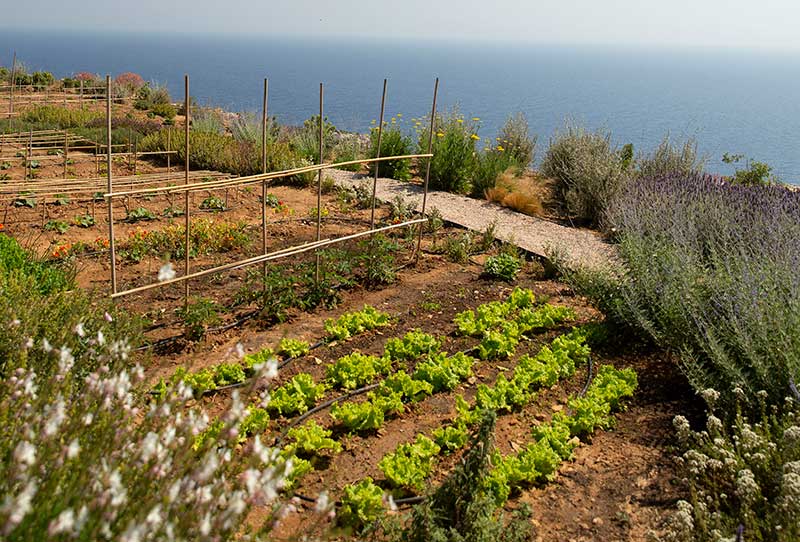
On Sifnos, the season writes the menu. Early summer brings tender courgettes, broad beans and the first tomatoes; later in the season come figs, aubergines and peppers at their sweetest. The herbs that grow wild across the hillsides, among them sage, thyme, mint, oregano, rosemary and verbena, scent both the landscape and the kitchen.
Several of the island’s most thoughtful kitchens now grow part of what they cook. At Verina Astra, Bostani Restaurant takes its name from the Greek word for a kitchen garden, and its own garden supplies the kitchen with produce picked by hand at its peak. What it does not grow, it sources from farmers and producers across Sifnos and the wider Cyclades, the core of Bostani’s farm-to-table approach.
A new perspective on fine dining in Sifnos
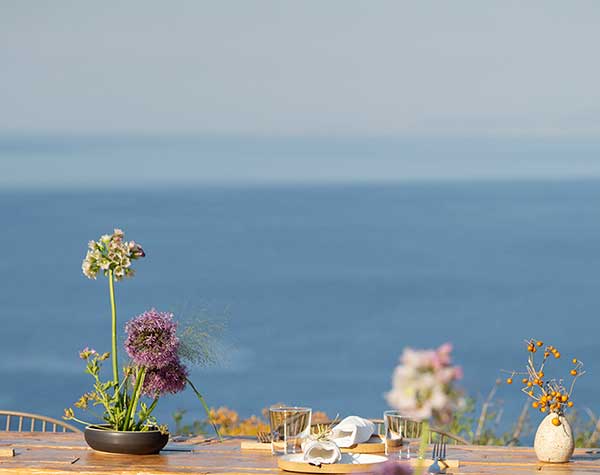
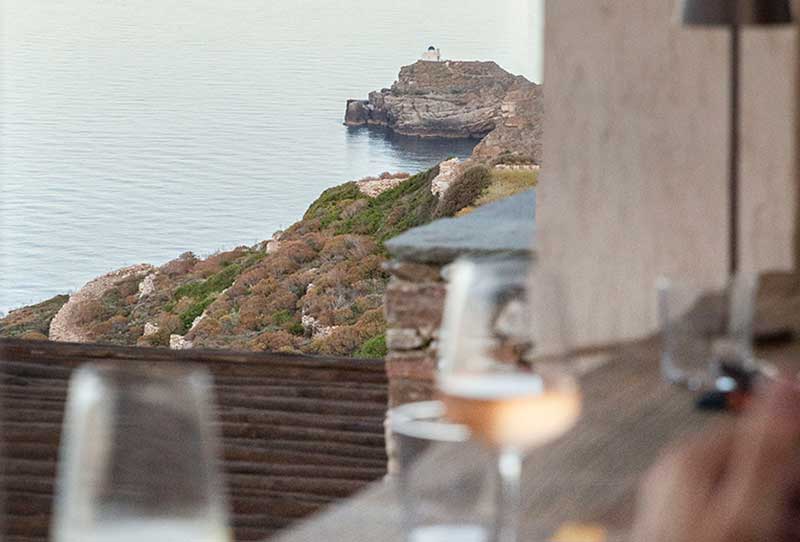
Fine dining on Sifnos rarely looks like fine dining elsewhere. There are few starched tablecloths and no stiff formality. The experience is shaped instead by its setting: dinner outdoors as the light fades, a view across the Aegean, the scent of a garden at dusk, and service that is attentive without hovering.
That relaxed approach suits the island well. At Bostani Restaurant, guests can decide how they want to eat, whether that means a longer tasting menu for a special evening, a few dishes chosen à la carte, or small plates shared over cocktails. The craft in the kitchen is serious; the atmosphere around it is not.
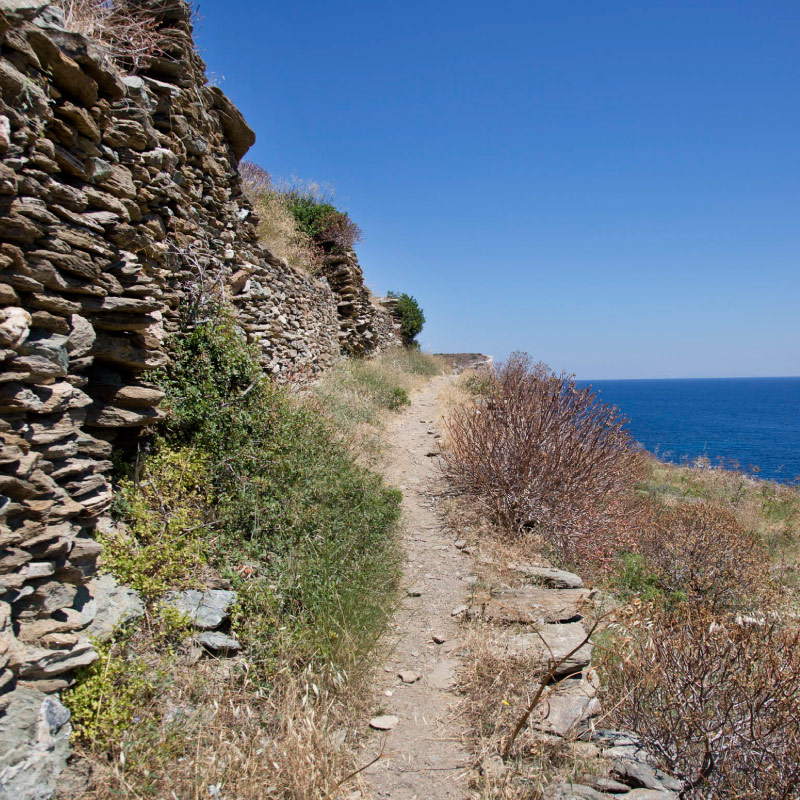
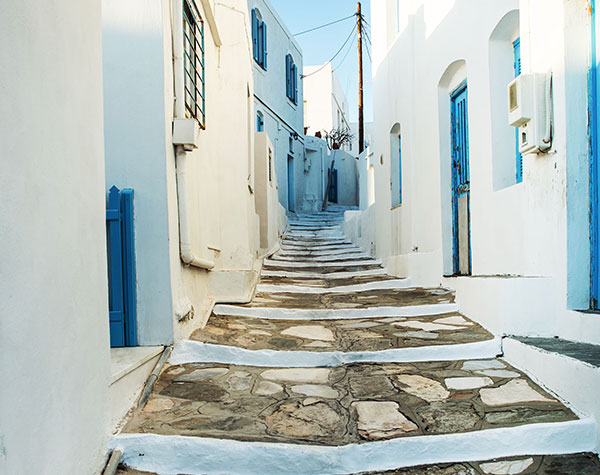
For travellers, this means the island’s best meals fit naturally into a slow Sifnos day of swimming, walking the old paths and wandering through the villages.
The people and philosophy behind modern island gastronomy
Behind the change are chefs who know the Greek repertoire well enough to take it apart and rebuild it. Their common ground is a commitment to local ingredients, respect for the people who grow and make them, and a willingness to let the island lead.
At Bostani, that role belongs to Chef Nick Thomas, whose philosophy blends heritage with innovation. His kitchen takes a refined, ingredient-driven approach to Sifnian cuisine: familiar island flavours, reworked with care and grounded in what the garden and local producers offer each day.
Bostani: contemporary Sifnian gastronomy in practice
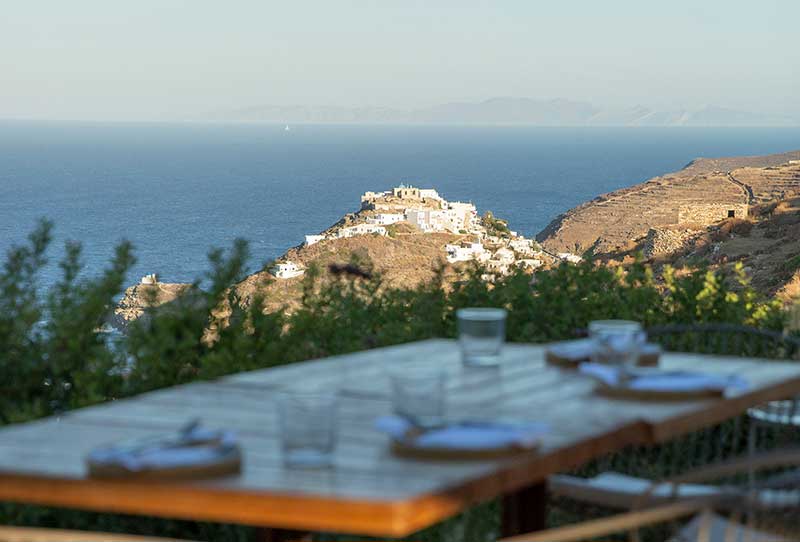
Set within the gardens of Verina Astra in Poulati, overlooking the Aegean, Bostani brings these ideas together in one place. It opens for dinner and cocktails only, and the evening unfolds slowly, from the first drink at the bar to the last course under the open sky.
Its three menus reflect the different ways people like to dine:
- Tasting menu: a progression of courses that follows the season and shows the full range of the kitchen.
- À la carte: a more flexible evening, with dishes chosen by mood and appetite.
- Tapas bar menu: small plates for sharing, paired with signature cocktails.
Each follows the same principle: ingredient-led cooking, shaped by the island and finished with precision. On the 2026 à la carte menu, that principle is easy to taste. Aged manoura, the island’s wine-cured cheese, appears in a beef fillet tartare with potato sticks; goat, the meat of the traditional mastelo, comes with horn peppers, seasonal greens, labneh and a fennel sauce; and grilled squid arrives with a fermented leek beurre blanc and loutza from neighbouring Mykonos. The garden setting also lends itself to celebrations, from intimate dinners to weddings, with menus built around the same sense of place.
To understand how Sifnos eats today, start with its traditions, then spend an evening at a table where those traditions are given a contemporary voice. Have a look at the menus and reserve a table at Bostani when planning your stay on the island next summer.