Sifnos Food: Top Traditional Dishes & Why They Taste So Good
Sifnos is widely recognized as the culinary heart of the Cyclades, and this reputation is entirely justified. While most Greek islands are known for fresh seafood and classic Greek salads, food in Sifnos stands out because of its deep connection to the land, its slow-cooking traditions, and the art of pottery.
This island does not offer just another standard Mediterranean menu. Understanding the local food culture completely changes how you experience Sifnos, shifting your perspective from a typical holiday to a genuine culinary journey.
The Heritage of Sifnos Food: Clay Pots and Wood-Fired Ovens
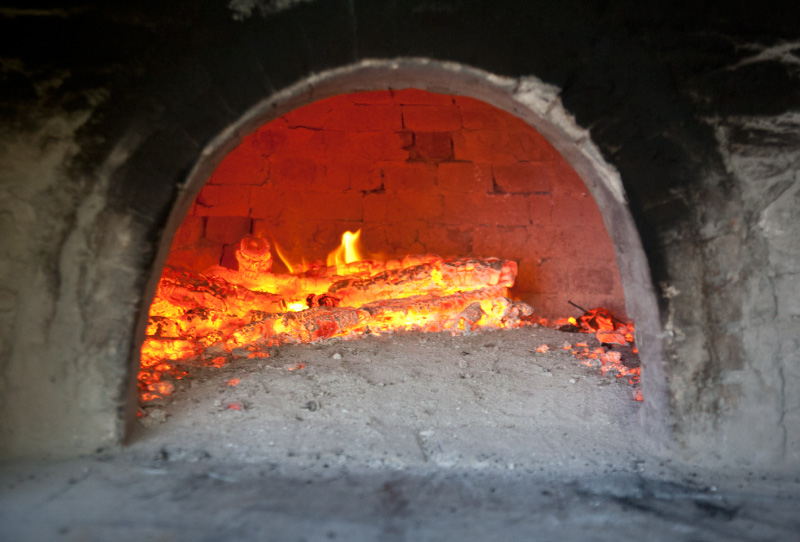
To understand why Sifnos food tastes so distinctive, you have to look at the island’s soil. Sifnos has a rich history of pottery, thanks to its high-quality clay. Centuries ago, locals realized that clay pots were excellent for slow cooking because they distribute heat evenly and retain moisture.
Traditional Sifnian dishes are rarely fried or grilled in a hurry. Instead, they are placed in custom-made clay vessels and left to bake for twelve to fifteen hours in wood-fired ovens, usually starting on Saturday evening. This slow process transforms simple ingredients into incredibly tender, flavorful meals that cannot be replicated with modern cooking equipment.
Must-Try Traditional Dishes in Sifnos
If you want to experience authentic local flavors, skip the international menus and look for these specific island staples:
Revithada & Mastelo
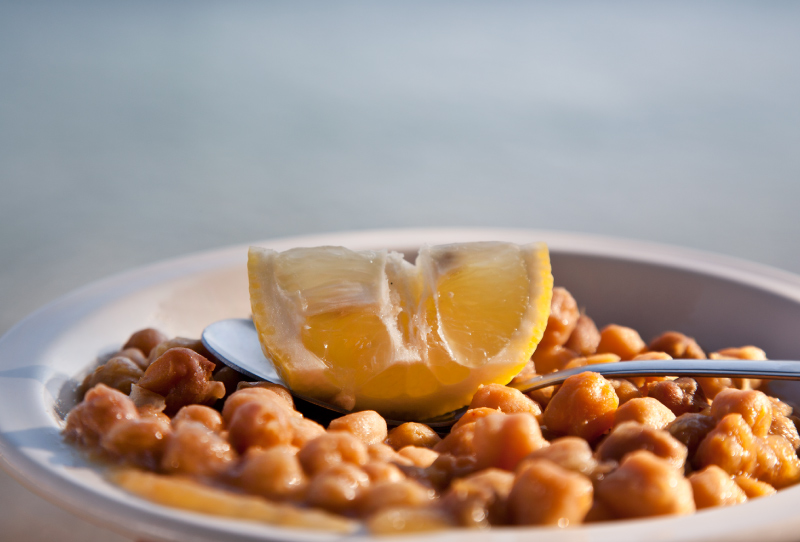
- Revithada: Is the ultimate soul food of Sifnos. It is a simple chickpea stew made with onions, olive oil, and in the past with rain water, slow-baked inside a clay pot called a skepastaria. Traditionally, families brought their pots to the village baker on Saturday night to be cooked overnight and picked up after church on Sunday. The result is a creamy, comforting dish where the chickpeas melt in your mouth.
- Mastelo: Is the island’s signature meat dish, typically prepared during Easter but available year-round in traditional tavernas. It consists of goat or lamb washed in local red wine, seasoned with plenty of dill, and placed on a bed of vine twigs inside a clay pot named after the dish itself. Baked for hours, the meat becomes exceptionally tender while absorbing the aromas of the wine and wood.
Revithokeftedes
While every Greek island has its version of a fritter, the Sifnian revithokeftedes are a benchmark of local resourcefulness. They are made from the leftovers or the same high-quality chickpeas used for the Sunday revithada. The secret lies in the heavy aromatic profile; locals use large amounts of fresh marjoram and mint, creating a crispy exterior and a velvety, fragrant interior that balances the density of the legume.
Manoura
Manoura Sifnou is a hard, yellowish sheep and goat’s milk cheese that undergoes a unique aging process. It is cured inside gyli, the dark sediment left from red wine production. This creates a black, wine-infused rind and gives the cheese an intensely pungent, spicy, and winey flavor profile that demands to be paired with dried figs or local distillates rather than eaten as a casual table cheese.
Local Cheeses
Beyond Manoura, the island’s daily dairy production relies on fresh, unpasteurized varieties. Chloromanoura is the fresh, unsalted version of Manoura, featuring a milky, creamy texture with a slight tang. Then there is Xynomyzithra, a sour, creamy curd cheese that locals drop onto their barley rusks and tomatoes. It acts as the perfect acidic counterweight to the heavy, oil-rich slow-cooked dishes of the island.
Melopita, Loli & Macarons
- Melopita: A crustless honey pie made by blending fresh local anthotyro cheese, eggs, and pure thyme honey. It is baked until slightly golden, creating a dense, cheesecake-like texture that is naturally sweetened without processed sugar.
- Loli: Literally meaning “the crazy one,” this cake gets its name because it has no fixed recipe. It is an intuitive, rustic cake made with sweet pumpkin, raisins, walnuts, orange juice, and honey. Every household makes it differently depending on what is left in the pantry.
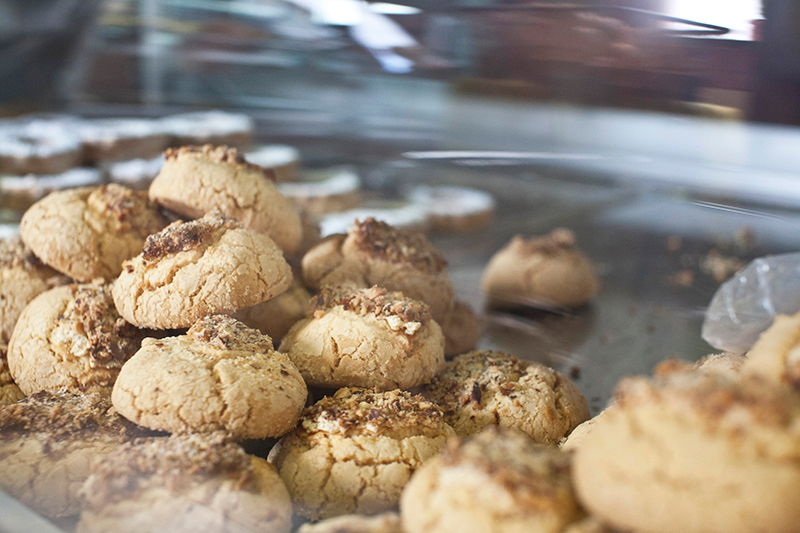
- Macarons: Locally referred to as amigdalota, these are not the colorful French variety but traditional almond sweets. Sifnos offers two versions: the baked ones, which are crispy outside and chewy inside, and the katsarolas (pot-cooked), which resemble a rich, uncooked almond marzipan perfumed with rosewater.
Modern Gastronomy on the Island
While tradition remains the foundation of the local food scene, Sifnos has also embraced contemporary culinary art. Chefs from all over Greece come to the island to experiment with traditional ingredients, creating a sophisticated dining scene that coexists beautifully with village tavernas.
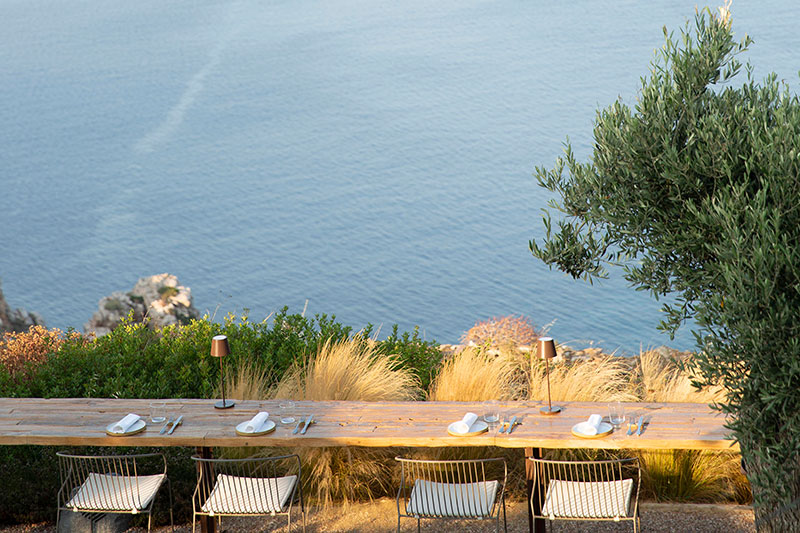
To experience how these traditional elements translate into modern gastronomy, places like the Bostani Bar & Restaurant blend local herbs and estate-grown produce with contemporary culinary techniques right by the sea. This balance between old and new is what makes dining on the island so compelling.
Tips for Food Lovers Visiting Sifnos
- Look for the wood-fired ovens: The best tavernas still use traditional wood ovens for their clay pot dishes. If you see Revithada on a Monday or Tuesday, ask if it was cooked in a wood oven, as it is traditionally a Sunday dish.
- Book ahead during peak season: Because of the island’s strong reputation for gastronomy, the top dining spots fill up quickly in July and August.
- Respect the seasonality: The best meals are those that follow the island’s natural harvest. Wild greens (chorta), fresh figs, and local capers have specific seasons, and tasting them fresh makes all the difference.
Is the Sifnian Food Worth the Hype?
If you appreciate the patience of slow cooking, the depth of locally sourced ingredients, and a culinary identity that has resisted over-commercialization, Sifnos will likely be the highlight of your Greek travels. The food here is not just about fuel. It is a central part of the island’s daily rhythm and history, offering a genuine taste of Cycladic life that stays with you long after your last meal.